
Home fire safety is often overlooked until an emergency happens. A small electrical fault, cooking accident, gas-related problem, heater, or other source of heat can create a serious situation within a short time. For families in Pakistan, having the right fire-safety equipment at home can provide early warning and support a safer response.
Buying home fire-safety equipment is not simply about purchasing the cheapest available product. Homeowners should consider what type of protection their property needs, where equipment should be placed, how it should be maintained, and whether professional installation is appropriate.
A basic home fire-safety plan can include smoke alarms, suitable fire extinguishers, fire alarm systems where appropriate, emergency lighting where required, clear escape routes, and family fire-safety training.
Pakistan Engineering Council lists the Building Code of Pakistan Fire Safety Provisions 2016 among its published building codes and standards.
This guide explains what homeowners should look for when buying fire-safety equipment in Pakistan and how to choose products and services responsibly.
Why Home Fire Safety Matters
A house can contain many potential fire hazards.
Common examples include:
- Cooking appliances
- Electrical wiring
- Chargers and electrical devices
- Gas appliances
- Heaters
- Generators
- Candles and open flames
- Combustible household materials
- Poorly maintained electrical equipment
Some fires can begin when people are asleep or when a particular room is unoccupied. Early detection is therefore an important part of household protection.
A smoke alarm can alert occupants to smoke at an early stage, while an appropriate fire alarm arrangement can provide warning throughout a property when designed for that purpose.
Fire safety should therefore be approached as a combination of prevention, detection, preparation, and safe evacuation.
What Home Fire-Safety Equipment Can You Buy?
There is no single product that protects every home from every type of fire.
Depending on the property and its risks, homeowners may consider:
Smoke Alarms
Smoke alarms are designed to detect smoke and provide an audible warning.
They are particularly important because a fire may produce dangerous smoke before occupants see flames.
The Building Code of Pakistan Fire Safety Provisions 2016 contains requirements for smoke alarms in certain residential occupancies. For example, provisions for applicable residential settings address smoke alarms in sleeping rooms and other specified areas.
The exact requirements for a property depend on its occupancy, design, size, and applicable regulations.
Fire Extinguishers
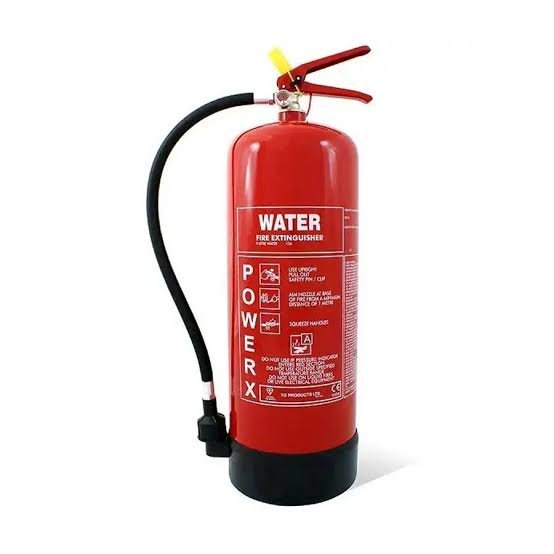
A suitable portable fire extinguisher can be useful for dealing with certain small fires when it is safe to do so.
However, not every extinguisher is suitable for every type of fire. Different extinguishing agents are designed for different hazards.
Homeowners should therefore select equipment according to the risks present in the property and follow the manufacturer’s instructions.
An extinguisher should never be treated as a reason to remain in an unsafe building. If a fire is growing, producing significant smoke, or blocking an escape route, evacuation and professional emergency assistance should take priority.
Fire Alarm Systems
A more comprehensive detection arrangement may be appropriate for larger homes, multi-storey properties, apartment buildings, or other residential settings.
A fire alarm system in Pakistan may include smoke detectors, heat detectors, control panels, sounders, and other notification devices depending on the building and system design.
Flame Defender states that it provides fire alarm solutions for residential, commercial, and industrial properties in Pakistan, including conventional, addressable, and wireless systems.
Emergency Lighting
Emergency lighting can help occupants identify escape routes when normal lighting is unavailable.
Its suitability depends on the building and its emergency-escape requirements.
For larger residential buildings or properties with complex layouts, professional assessment can help determine whether emergency lighting or other emergency systems are needed.
Where Can You Buy Home Fire-Safety Equipment in Pakistan?
Homeowners can encounter fire-safety products through several types of suppliers.
These may include:
- Specialized fire-safety companies
- Building-safety suppliers
- Electrical and safety-equipment businesses
- Professional fire-protection service providers
- Authorized equipment distributors
- Online suppliers
The important question is not simply where an item is sold. The buyer should also consider whether the product is suitable for the intended application and whether reliable technical information, installation, testing, and maintenance support are available.
For systems such as a complete fire alarm installation, purchasing individual devices without considering the whole building may not provide the protection expected.
Buying From a Fire-Safety Specialist
A specialist fire-safety company can provide more than individual products.
Depending on the company and project, services may include:
- Site assessment
- Fire-risk considerations
- System design
- Equipment selection
- Installation
- Programming
- Commissioning
- Testing
- Maintenance
- Repairs
- System upgrades
For example, Flame Defender describes its fire alarm service as beginning with a site survey, followed by system design, installation, programming, commissioning, testing, and maintenance.
This type of support can be useful when a property requires a complete detection system rather than a standalone smoke alarm.
What to Check Before Buying
Before purchasing fire-safety equipment, homeowners should ask several basic questions.
1. Is the Product Suitable for My Home?
A product should match the property and the hazard.
A small single-storey home may have different requirements from a large multi-storey residence or apartment building.
Consider:
- Number of floors
- Number of bedrooms
- Property size
- Kitchen location
- Electrical equipment
- Heating equipment
- Occupancy
- Existing fire-safety systems
A professional assessment may be appropriate for larger or more complex properties.
2. Does the Product Have Clear Technical Information?
Buyers should be cautious about products that provide little information about their purpose or performance.
Look for:
- Manufacturer information
- Model number
- Installation instructions
- Operating instructions
- Maintenance requirements
- Power requirements
- Suitable operating conditions
- Relevant certification or standards information where applicable
A product should have enough documentation for the buyer to understand what it is designed to do.
3. Is Installation Required?
Some equipment is relatively straightforward to install, while a complete fire alarm system requires careful planning.
For example, Flame Defender describes different systems including conventional and addressable arrangements, with the appropriate solution depending on the property.
A professional installer can consider detector locations, wiring, notification devices, control panels, coverage, testing, and the overall building layout.
Do Not Choose Only by Price
Price is an important consideration, but it should not be the only factor.
An inexpensive product may not provide the right protection for a particular application. At the same time, the most complicated system is not automatically necessary for every home.
The goal should be appropriate protection.
Homeowners should consider:
Suitability + quality + installation + maintenance + support
rather than price alone.
This approach can help avoid buying equipment that is unsuitable for the property.
Choosing the Right Smoke Alarm
Smoke alarms are an important part of household fire safety.
When selecting one, consider:
- Where it will be installed
- Whether it requires batteries or mains power
- Battery replacement requirements
- Test functions
- Alarm volume
- Manufacturer instructions
- Applicable standards or approvals
The Building Code of Pakistan Fire Safety Provisions 2016 includes residential smoke-alarm provisions for applicable occupancies.
Homeowners should follow the requirements applicable to their property rather than assuming that every building has exactly the same arrangement.
Choosing a Fire Extinguisher
A fire extinguisher should be appropriate for the type of fire risk that may occur.
Homes can contain different hazards, including electrical equipment and cooking appliances. Extinguishing agents are not interchangeable for every situation.
Before buying an extinguisher, homeowners should understand:
- The fire classes it is designed for
- Its size and capacity
- How it should be stored
- Inspection requirements
- Maintenance requirements
- Whether replacement or servicing is needed
Fire extinguishers should remain accessible and should not be hidden behind furniture or stored where they cannot be reached quickly.
Kitchen Fire Safety Equipment
The kitchen deserves special attention because cooking is a common source of household fires.
A home kitchen may contain:
- Gas appliances
- Electrical appliances
- Cooking oils
- Hot surfaces
- Open flames
- Combustible packaging
- Curtains and other materials
Homeowners should consider suitable fire-safety equipment based on the kitchen’s risks.
They should also focus on prevention by keeping combustible materials away from heat sources and dealing promptly with damaged appliances or unsafe electrical connections.
Fire Alarm Systems for Larger Homes
A small home may have different needs from a large villa, multi-storey residence, apartment building, or residential complex.
Larger properties can have:
- More rooms
- Multiple floors
- Longer escape routes
- More occupants
- More electrical equipment
- More complicated layouts
In these situations, a professionally designed fire alarm system in Pakistan may provide a more coordinated approach to detection and occupant notification.
Flame Defender says it provides residential fire alarm solutions and works with smoke detectors, heat sensors, control panels, and different types of alarm systems.
The correct system should be selected according to the actual building rather than simply choosing the most advanced option available.
Conventional vs. Addressable Systems
There are different types of fire alarm systems.
Conventional Systems
A conventional system divides a building into zones. When a detector or manual call point activates, the control panel identifies the affected zone.
These systems can be suitable for certain smaller or straightforward properties.
Addressable Systems
An addressable system can identify individual devices or specific locations within the system.
This can provide more detailed information during an alarm and may be useful in larger or more complex buildings.
Flame Defender describes both conventional and addressable systems among its installation services.
The appropriate choice depends on factors such as building size, layout, occupancy, required functionality, and applicable standards.
Why Professional Installation Matters
Installing a fire alarm is not simply about attaching devices to walls.
The location of detectors and notification devices can affect system performance.
Professional installation can help address:
- Detector positioning
- Coverage
- Wiring
- Control-panel location
- Sounder placement
- System programming
- Testing
- Commissioning
- Future maintenance
Pakistan’s PEC Foreign CO Portal separately identifies installation, commissioning, maintenance, and repairs of fire detection, alarm, and suppression systems as a defined engineering service category.
For complex systems, professional involvement can therefore be an important part of the installation process.
Maintenance Is Part of the Purchase
Buying fire-safety equipment is only the beginning.
Equipment needs to remain functional after installation.
For example, a smoke alarm may require battery replacement or testing. A larger alarm system may require scheduled inspection and maintenance. Fire extinguishers also need appropriate inspection and servicing.
Flame Defender notes that dust, humidity, general wear, and other conditions can affect fire-alarm components over time and describes scheduled maintenance as part of its services.
The Building Code of Pakistan Fire Safety Provisions 2016 also addresses maintenance, repair, servicing, and testing of fire-protection systems and equipment.
What About Online Shopping?
Online shopping can make it easier to compare products, but buyers should still check technical details carefully.
Before ordering, check:
- Exact model
- Manufacturer
- Product specifications
- Power requirements
- Warranty information
- Installation requirements
- Maintenance requirements
- Availability of replacement parts
- Seller information
- Applicable certification or standards information
Do not assume that a product is suitable simply because it appears in an online marketplace.
For safety equipment, technical information is more important than attractive packaging or a low price.
Be Careful With Unclear Products
Homeowners should be cautious about products that make broad claims without providing useful technical information.
Warning signs may include:
- No identifiable manufacturer
- No model number
- Missing instructions
- Unclear specifications
- No maintenance information
- Unclear warranty
- Claims that cannot be independently verified
A fire-safety product is an important piece of emergency equipment. Buyers should have enough information to understand how it is intended to work.
Fire Safety for Children
Children should be included in the household fire-safety plan.
They should learn:
- What a smoke alarm sounds like
- Where the exits are
- Where the family meeting point is
- Not to play with matches or lighters
- Not to touch damaged electrical equipment
- Not to hide during a fire
- To follow adult instructions during an emergency
Children should not be expected to operate complex fire equipment or deal with a growing fire.
The priority during a serious fire should be getting everyone to safety.
Keep Escape Routes Clear
Even the best fire-safety equipment cannot replace a safe way out.
Hallways, stairways, doors, and other escape routes should remain clear.
Furniture, boxes, bicycles, stored materials, and other objects should not block the route.
Families should know at least one primary and one alternative way to leave the property where practical.
For buildings covered by applicable fire-safety requirements, means of egress are an important part of life safety. The Pakistan Engineering Council’s Fire Safety Provisions address means of egress as part of building fire safety.
Fire Safety During Home Renovation
Renovations can temporarily create additional fire hazards.
Construction materials, temporary wiring, electrical tools, paints, packaging, and other materials may be present.
Homeowners should make sure that temporary work does not block exits or interfere with existing fire-safety equipment.
If a renovation changes the building’s layout, the existing fire-detection arrangement may also need to be reviewed.
Flame Defender notes that changes to walls, ceilings, partitions, room layouts, and other building features can affect detector coverage and placement.
A Simple Home Fire-Safety Shopping Checklist
Before purchasing equipment, homeowners can use this checklist:
Detection
- [ ] Smoke alarms
- [ ] Suitable heat detection where required
- [ ] Fire alarm system where appropriate
Firefighting Equipment
- [ ] Appropriate fire extinguisher
- [ ] Suitable location for equipment
- [ ] Regular inspection and servicing
Emergency Planning
- [ ] Clear escape routes
- [ ] Family meeting point
- [ ] Emergency contact information
- [ ] Children understand basic fire-safety rules
System Support
- [ ] Installation information
- [ ] Manufacturer documentation
- [ ] Warranty
- [ ] Maintenance support
- [ ] Replacement parts or batteries where required
This checklist can help homeowners think beyond the initial purchase.
Where to Find Professional Fire Alarm Services in Pakistan
For homeowners who need a complete fire alarm solution rather than individual equipment, a specialist fire-protection company can assess the property and recommend an appropriate system.
Flame Defender states that it provides fire alarm installation, testing, maintenance, and upgrade services for residential and other properties across Pakistan.
You can learn more about its fire-safety services through the official Flame Defender website.
Professional advice can be particularly useful for larger homes, apartment buildings, multi-storey properties, or buildings with complex layouts.
Fire Safety Is More Than Buying Equipment
A safer home is not created by purchasing a single product.
It requires several layers of protection:
Prevent → Detect → Alert → Escape → Maintain
First, reduce common fire hazards. Then use suitable detection equipment. Make sure occupants can hear warnings. Keep escape routes clear and have an emergency plan. Finally, maintain the equipment so it remains ready.
This approach is more useful than treating fire safety as a one-time shopping task.
Conclusion
Knowing where to buy home fire safety equipment in Pakistan is only the first step. Homeowners should also understand what their property actually needs and whether a product is suitable for its intended purpose.
Smoke alarms can provide early warning, while appropriate extinguishers can support the response to certain small fires when it is safe to act. Larger or more complex properties may benefit from professionally designed fire alarm systems, with the exact arrangement depending on the building, occupancy, layout, risks, and applicable requirements.
A reliable fire alarm system in Pakistan can form an important part of a broader home fire-safety strategy. Flame Defender describes residential fire alarm services that include system design, installation, testing, maintenance, and upgrades.
Most importantly, equipment should not simply be purchased and forgotten. Regular testing, maintenance, clear escape routes, family education, and sensible fire-prevention practices all contribute to household safety.
For homeowners, the goal is not to buy the most equipment possible. It is to create a practical and appropriate safety system that can provide warning, support a safe response, and help protect people and property.
FAQs
1. Where can I buy home fire-safety equipment in Pakistan?
Home fire-safety equipment can be obtained from specialized fire-safety companies, building-safety suppliers, authorized distributors, and other reputable sellers. When buying, check the product’s specifications, manufacturer information, warranty, installation requirements, and maintenance support.
2. Does every home need a fire alarm system?
The appropriate fire-detection arrangement depends on factors such as the home’s size, layout, occupancy, risks, and applicable requirements. Smoke alarms are an important part of residential fire safety, while larger or more complex properties may require a more comprehensive fire alarm system.
3. What fire-safety equipment should a home have?
Depending on the property, homeowners may consider smoke alarms, suitable fire extinguishers, fire alarm equipment where appropriate, and other safety measures. Clear escape routes and a family emergency plan are also important.
4. Does fire-safety equipment need regular maintenance?
Yes. Smoke alarms, fire alarm systems, extinguishers, and other safety equipment need appropriate testing, inspection, battery replacement, servicing, or maintenance according to the equipment and applicable requirements.
5. Can a professional install a fire alarm system in an existing home?
Yes. Fire alarm systems can be designed and installed in existing properties. A professional assessment can consider the building layout, occupancy, detection requirements, wiring, notification devices, and applicable standards before installation. Flame Defender describes site assessment, design, installation, commissioning, testing, and maintenance for fire alarm systems.